PepsiCo's playbook: winning hearts through vibe-packed promotion and smart strategy
PepsiCo's ageless appeal delivering a refreshing mix of classic cravings and modern wellness


A shelf showdown: Pepsi's competitive pricing strategy offers value to budget-conscious shoppers across major. Available at: https://thekrazycouponlady.com/tips/money/coke-vs-pepsi

touchscreen vending machine reflects its omnichannel place strategy, enabling personalized experiences and surpassing Coca-Cola in tech driven distribution. Available at: https://www.pepsico.com/our-brands/for-businesses/foodservice


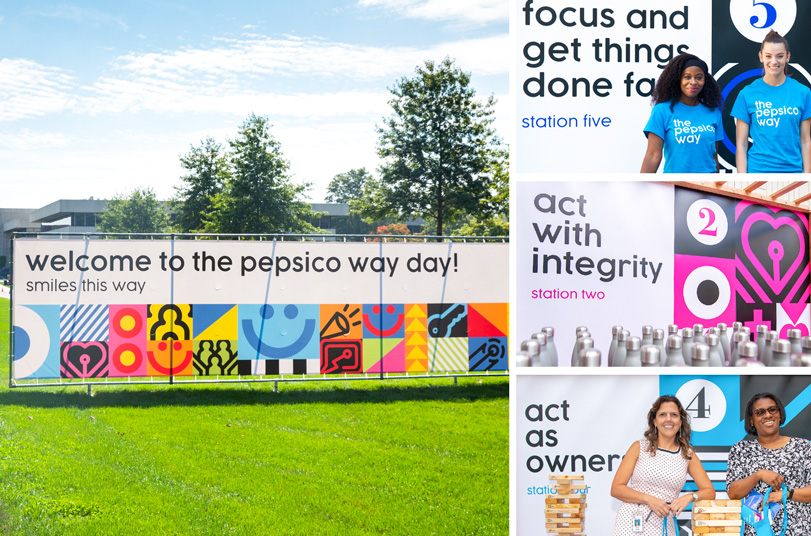
The PepsiCo way encourages people to act as owners, lead with purpose, celebrate diversity, grow talent and win together. Available at:https://stories.pepsicojobs.com/wp-content/uploads/2020/06/PEP-pepsico-way-day-gallery-photos-1.jpg


A PepsiCo Hello Goodness Vending Machine shows some of the company’s healthier choices. Available at: : https://www.foodengineeringmag.com/articles/96274-pepsico-pledges-to-use-less-sugar-reduce-environmental-impact-by-2025
Promotion power in PepsiCo's marketing mix
Introduction
Promotion incudes all the efforts
undertaken by a company to inform, persuade and remind customers about its
products (Kotler and Keller, 2002).
Over view of PepsiCo promotional strategy
PepsiCo has successfully leveraged a diverse
promotional strategy cantered on music, sports and pop culture that appeals to
youthful tech-savvy consumers particularly Gen Z and Millennial audiences
globally. the iconic “Pepsi Generation”
campaign with Michael Jackson in the 1980s linked the brand to youth, energy
and music (Joseph, S 2012). The “Pepsi Challenge” used the blind taste tests to
position as the preferred cola, challenging Coca Cola’s dominance (Jackson, G
2024). During Super Bowl Halftime Show, with stars like Beyonce and The
Weekend, reinforces Pepsi’s entertainment appeal. Pepsi has strong history of
partnering with global stars like Lionel Messi and David Beckham using sports
sponsorships to connect brand with excitement and passion of sports and
extending global reach. The AI-driven “Your Bites, Your Rights” campaign in
Latin America promoted interactive customization. #BetterWithPepsi highlighted
food pairings, while the “Refresh Project” funded community initiatives,
aligning the brand with social responsibility. The diversity of campaign
showcases PepsiCo’s dynamic youth-oriented image and its ability to blend
tradition with innovation and social impact.
Effectiveness of PepsiCo’s Promotion
strategy
PepsiCo’s promotion strategy has proven
highly effective in driving brand engagement, boosting sales and supporting new
product launches. The 2019 “is Pepsi OK” campaign during Super Bowl LIII
reached over 115 million viewers, helping reshape brand perception and reported
its biggest sales increase in more than three years, also the campaign had been
a big driver of the company’s 5.2 percent rise in organic sales (Gray. A and Yuk.
K, 2019). The Pepsi challenge legacy which helped Pepsi briefly take over Coca-Cola
in market share during 1980s (Time, 2015) was revived in 2015 to appeal to
younger consumers, gaining millions of views across social platforms. Pepsi
zero sugar was relaunched, supported by in-store Tokinomo’s shelfobots
highlighting chilled beverages along with fun, memorable interactions with
consumers. It contributed to double-digit growth in zero-calorie beverage sales
(tokinomo, n.d.) PepsiCo’s ownership of fast-food chains like pizza hut, KFC,
Taco Bell guaranteed market share and brand visibility by making sure its
drinks were always served. This promotional strategy also helped Pepsi offer
bundled deals, teamwork and strategic market expansion. Its pep+ (Pepsi
Positive) initiative supports long-term goodwill through community engagement-
like funding water access, recycling programs and healthier product innovation,
all actively promoted through social media and storytelling (PepsiCo, 2025). Companies
PepsiCo stories featured on its websites highlight supplier stories,
sustainability initiatives, employee achievements and innovation, also videos
such as Lay’s “Farm to Pack” and “Bag to Farm” promote transparency and
sustainability in sourcing and packaging (PepsiCo, 2024). This form of digital
content marketing reinforces brand purpose, build trust, and strengthens
emotional engagement with socially conscious consumers (PepsiCo, 2024).
Evolution of PepsiCo promotional strategy
PepsiCo
has evolved its promotional technology significantly over time. From early TV
ads and in-store displays, it has shifted towards data-driven digital
campaigns, augmented reality, and AI-based personalization. Recent campaigns
use QR codes on packaging, interactive vending machines, and social media
filters to engage young audiences. Its uses motion sensing displays and
gamified social campaigns to deepen engagement. An important advancement is its
content marketing particularly through digital storytelling, showing
sustainability effort, supplier journeys, employee experiences and innovation.
Rather than direct selling. this platform builds trust and connection aligning
with its PepsiCo positive goals. Shift towards content-led, purpose driven
promotion, PepsiCo stories reflect how company is adapting to changing consumer
values and expectation.
Conclusion
PepsiCo’
promotional strategy has visibly changed over time to keep up with new trends
and consumer needs. The company uses a mix of traditional ads, digital tools, celebrity
endorsements and fun campaigns to stay connected with people. Use of AR, AI and
community focused initiatives further reflects its commitment to both
commercial success and social responsibility, ensuring PepsiCo remain competitive
and culturally relevant brand worldwide.
References
Gray. A and Yuk. K (2019) Super Bowl ad
blitz helps Pepsi share hit high. Financial Times[online] Available at: https://www.ft.com/content/d58145a6-60fd-11e9-b285-3acd5d43599e#:~:text=PepsiCo%20hailed%20its%20Super%20Bowl%20marketing%20blitz,biggest%20sales%20increase%20in%20more%20than%20three
[Accessed 10 July 2025]
Jackson, G (2024) Tasting Success: Lessons
from the Pepsi Challenge. mediashower blog[online] Available at: https://mediashower.com/blog/pepsi-challenge/
[Accessed 10 July 2025]
Joseph, S (2012) Pepsi & Michael Jackson: a history in ads. Marketingweek [online]. Available at: https://www.marketingweek.com/pepsi-michael-jackson-a-history-in-ads/
[Accessed 10 July 2025]
Kotler, P. and Keller, K.L. (2002)
Marketing Management. 16th Edition. Harlow: Person.
PepsiCo (2024) PEPSI®
and Kelly Rowland kick off search for loyal restaurant regulars who have earned
celebrity status at their local eatery. PepsiCo. [printed] Available at: https://www.pepsico.com/our-stories/press-release/pepsi-and-kelly-rowland-kick-off-search-for-loyal-restaurant-regulars-who-have-e08272024 [Accessed 3 July 2025]
Tokinomo (n.d.) PepsiCo Redefines Creativity with Shelfobot in
Pakistan. Tokinomo.com[inline] Available at: https://www.tokinomo.com/work/pepsico-interactive-gondola [Accessed 10 July 2025]


Comments
Post a Comment